
Berkeley Lab is bringing a team science approach to the Department of Energy’s (DOE) Genesis Mission, which unites national labs, industry, academia, and more to harness artificial intelligence (AI) for breakthroughs in energy, discovery science, and national security. By leading AI projects that will reduce the time required to make scientific discoveries, the Lab is advancing solutions that will power America’s future.

Our partnerships bring world-class research to bear on real world problems. If you’re interested in partnering on developing or deploying next-generation AI systems for science discovery and product innovation, learn how Berkeley Lab’s unique capabilities can accelerate your project’s success.

"AI for science depends on connecting models with the data, infrastructure, facilities, and expertise that make them useful and trustworthy. Berkeley Lab can help make scientific data usable for AI, connect that data to advanced computing and experimental facilities, and support new workflows in which AI, experiments, simulations, and researchers work together."

"As the scientific landscape shifts toward data-intensive, autonomous discovery, Berkeley Lab staff are ensuring American Science Cloud is built to solve the most complex challenges facing modern research. By integrating specialized high-performance computing from NERSC (and other DOE leadership computing facilities) with next-generation networking via ESnet, we are creating a seamless environment for data-driven research."

"Berkeley Lab is leading ModCon’s BASE effort, which is rapidly standing up core AI capabilities that cut across many Genesis Mission teams…The Lab has also led data management best practices in many fields and delivered tools that address national priorities, such as through DOE’s Exascale Computing Project. Coupling this expertise with our excellent user facilities, Berkeley Lab is in an exceptional position to deliver ambitious scientific breakthroughs."
Multi-Office particle Accelerator Team
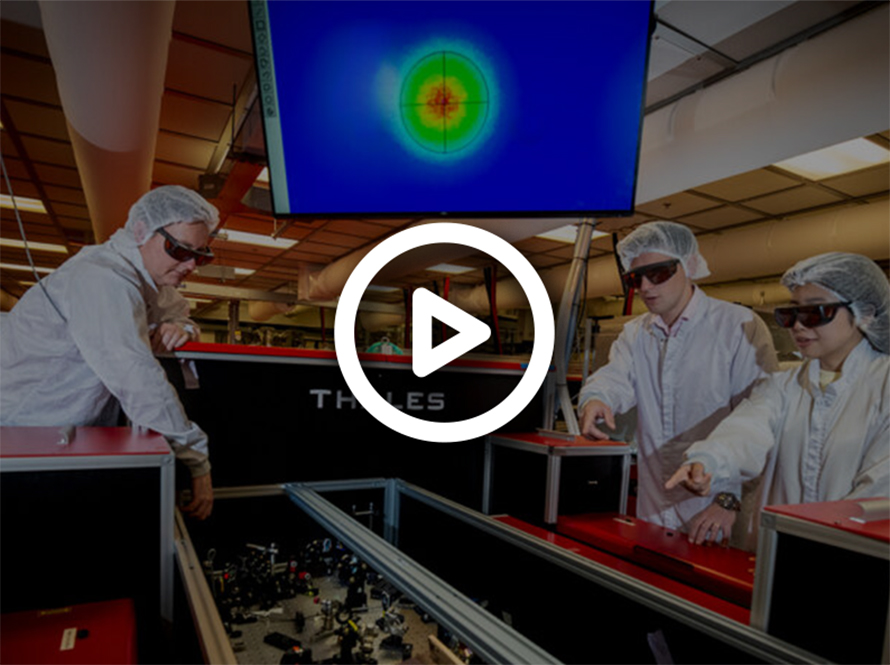
Multi-Office particle Accelerator Team (MOAT) is putting AI to work alongside accelerator operators and designers. The end goal is a new generation of smarter, more efficient accelerators that can drive discoveries in materials, medicine, microelectronics, and the fundamental nature of our universe.
Orchestrated Platform for Autonomous Laboratories

Orchestrated Platform for Autonomous Laboratories (OPAL) is a multi-laboratory effort to reinvent biological discovery through autonomous, AI-enabled research systems. OPAL is creating a connected network of laboratories, leading to faster workflows, smart experiments, and discoveries that move more quickly from the lab to real-world applications.
SYnergistic Neutron and Photon Science – Intelligence
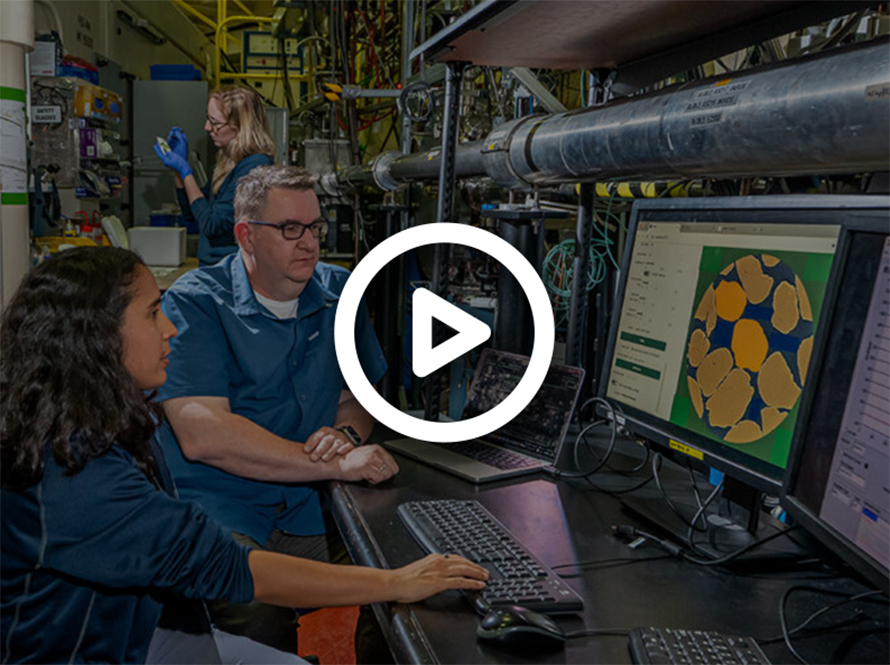
SYnergistic Neutron and Photon Science – Intelligence (SYNAPS-I) is a project that has brought together AI tools and state-of-the-art research techniques to accelerate discovery at scientific user facilities across the nation. Led by the Advanced Light Source at Berkeley Lab, the team is gathering insights to benefit energy technologies, manufacturing, agriculture, and more.
Discover how Berkeley Lab is advancing AI through harnessing our world-class user facilities, unique scientific data, and leading researchers to accelerate discovery and tackle complex scientific challenges.
Accelerating Science with Digital Twins
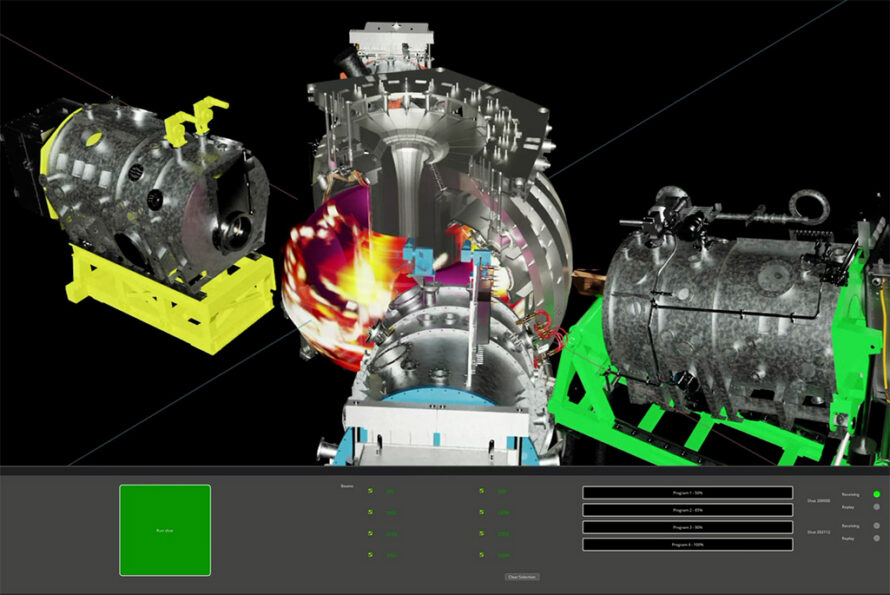
Foundational AI Models to Accelerate Biological Discovery
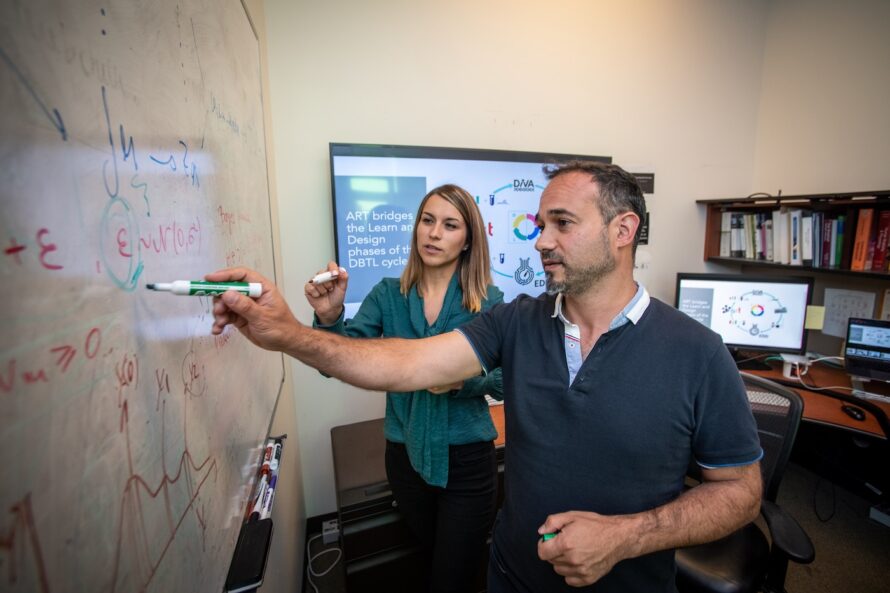
How AI and Automation are Speeding Up Science and Discovery
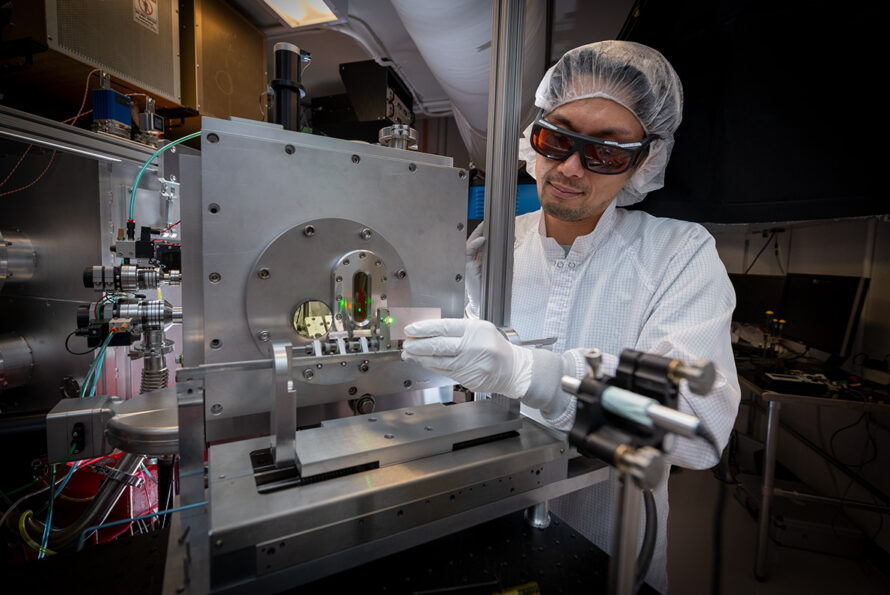
Artificial Intelligence

Frontier Computing Sciences

Quantum Science